Blog background

Blog & Devlogs

Insights, updates, and behind-the-scenes from the Orion's Gate team.

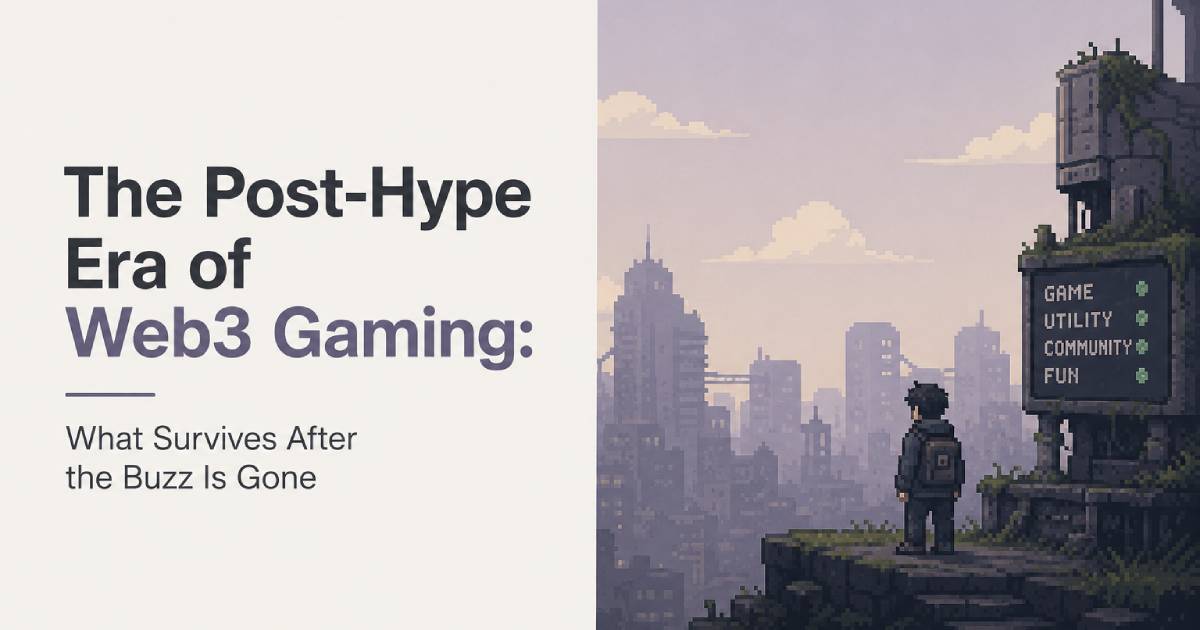
The Post-Hype Era of Web3 Gaming: What Survives After the Buzz Is Gone
Community

The Post-Hype Era of Web3 Gaming: What Survives After the Buzz Is Gone

May 18, 2026
Orion's Gate Team

Web3 gaming is no longer in its “everything on-chain, everything tokenized” phase. The hype wave has cooled, NFT trading had a weak 2024 by DappRadar's count, and Web3 gaming activity and funding both softened in early 2025. At the same time, the sector has not disappeared. What remains is more practical, more selective, and far more focused on player experience than speculation. That shift matters because it changes the question. The old question was, “How do we make everything Web3?” The new one is, “Which parts of Web3 actually make games better?” In the post-hype era, the projects that survive are not the loudest. They are the ones that keep utility, reduce friction, and protect trust.

Read more
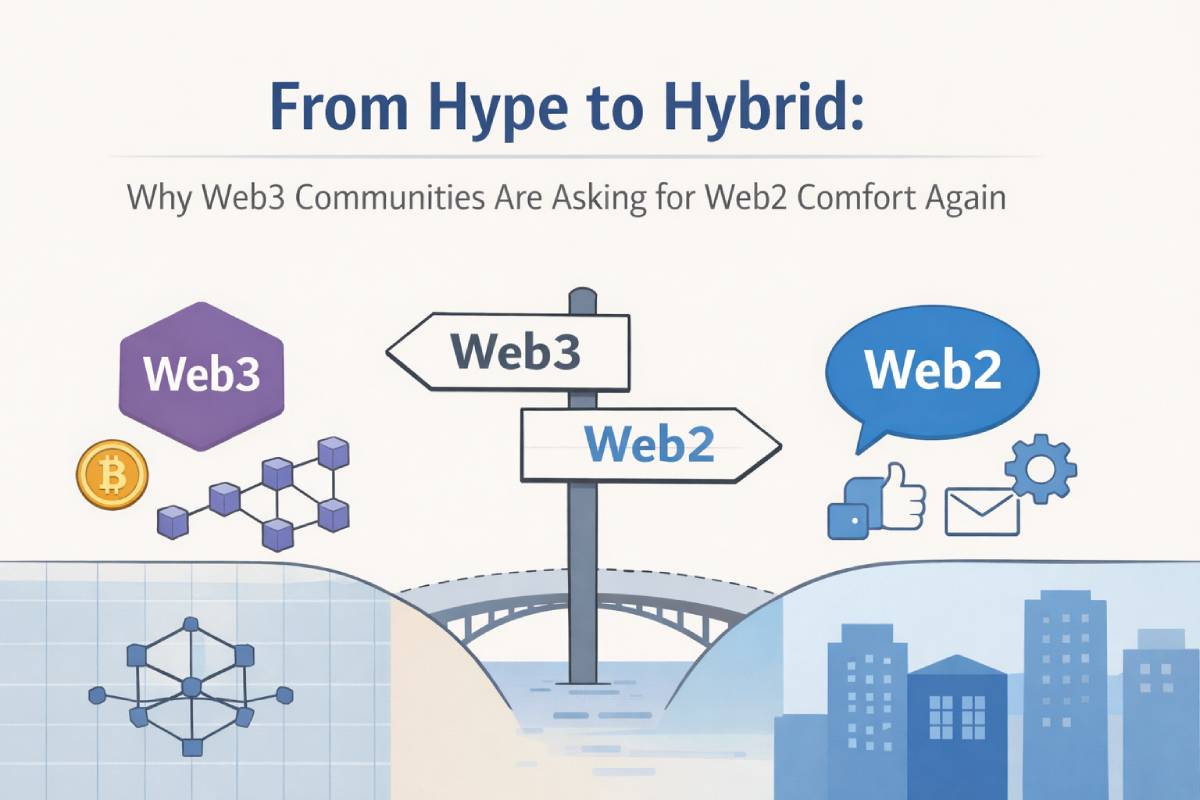
From Hype to Hybrid: Why Web3 Communities Are Asking for Web2 Comfort Again
Community

From Hype to Hybrid: Why Web3 Communities Are Asking for Web2 Comfort Again

April 14, 2026
Orion's Gate Team

For years, web3 gaming was framed as the future of digital ownership, player economies, and community-led ecosystems. But in 2025 and 2026, the tone around web3 has noticeably shifted. Communities are more cautious, players are more selective, and many people now openly ask whether web3 was just a temporary hype cycle. At the same time, web2 platforms, login systems, and familiar user flows are regaining influence. That does not mean web3 is disappearing. It means the market is maturing. The strongest direction now is not pure web2 or pure web3. It is hybrid design: systems that keep the accessibility, safety, and familiarity of web2 while selectively using web3 where it adds real value, such as ownership, tradable assets, verifiable rewards, and community governance [1][2][3]. For teams building long-term communities, this is becoming one of the most practical paths forward.

Read more
The Lore Workshop: Co-Writing Worlds with Your Community (Without Losing Canon)
Community

The Lore Workshop: Co-Writing Worlds with Your Community (Without Losing Canon)

March 11, 2026
Orion's Gate Team

In web3 gaming, community is no longer limited to feedback, memes, and governance. It is increasingly becoming a creative layer of the product itself. Players want to help shape factions, write side stories, invent artifacts, and deepen the world around the game. That creates a huge opportunity for studios: community-made lore can increase emotional investment, extend content velocity, and make a world feel alive. But it also creates a real risk-if everyone writes, the canon can collapse. The solution is not to shut the community out. It is to build a lore workshop: a structured system where players can contribute to worldbuilding without breaking the rules of the universe. Done well, this turns community creativity into a long-term retention engine and a powerful brand asset [1][2][3].

Read more
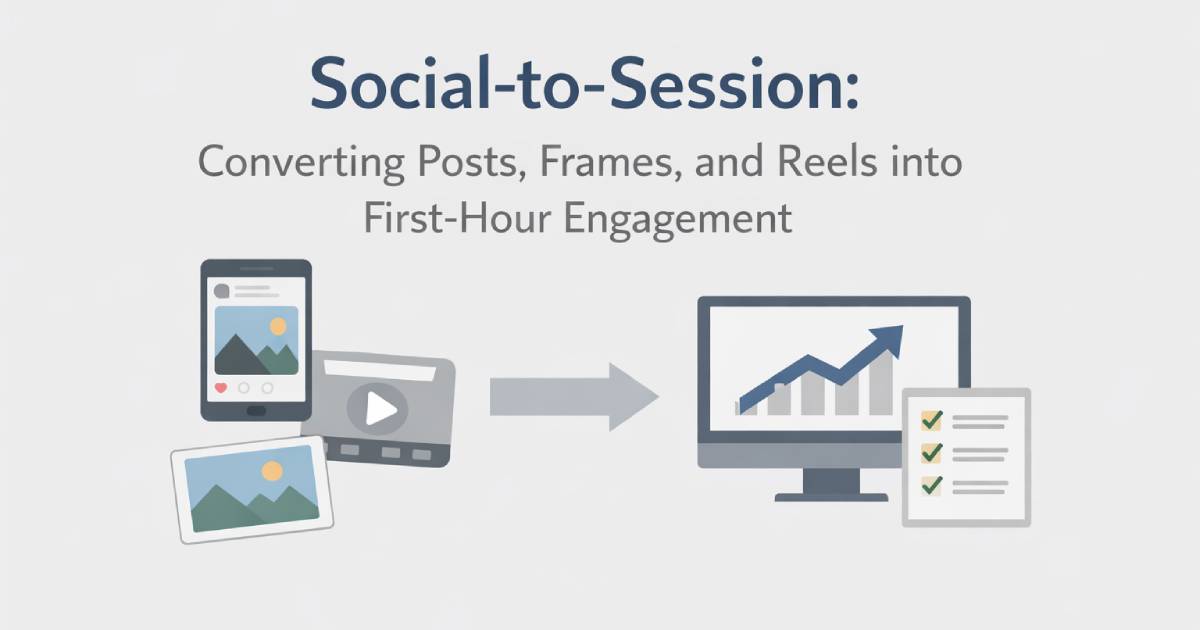
Social-to-Session: Converting Posts, Frames, and Reels into First-Hour Engagement
Community

Social-to-Session: Converting Posts, Frames, and Reels into First-Hour Engagement

February 3, 2026
Orion's Gate Team

f discovery doesn't become a session, it's just vanity. In 2025, the best-performing web3 games wire social surfaces-posts, Farcaster Frames, and short video reels-directly into the first hour: wallet connect, tutorial beat, and a “first win.” This article lays out a practical, KPI-driven plan to turn social reach into sessions, with tools and benchmarks you can cite. Aim for “session, not like.” Treat Reels, posts, and Frames as front doors to a 3-step first-hour flow: join → act → reward. Use the right pipes. Frames (Farcaster) can call actions and track them; deep links route users from social to in-app screens; Discord Server Insights shows where newcomers stall [9][10][11][7][3]. Benchmark ruthlessly. Reels remain a high-impression format for smaller accounts; track D1 quest completion and week-one retention to validate your funnel [1][5].

Read more
The Guild Renaissance: From Yield Farming to Community Publishing Houses
Community

The Guild Renaissance: From Yield Farming to Community Publishing Houses

December 30, 2025
Orion's Gate Team

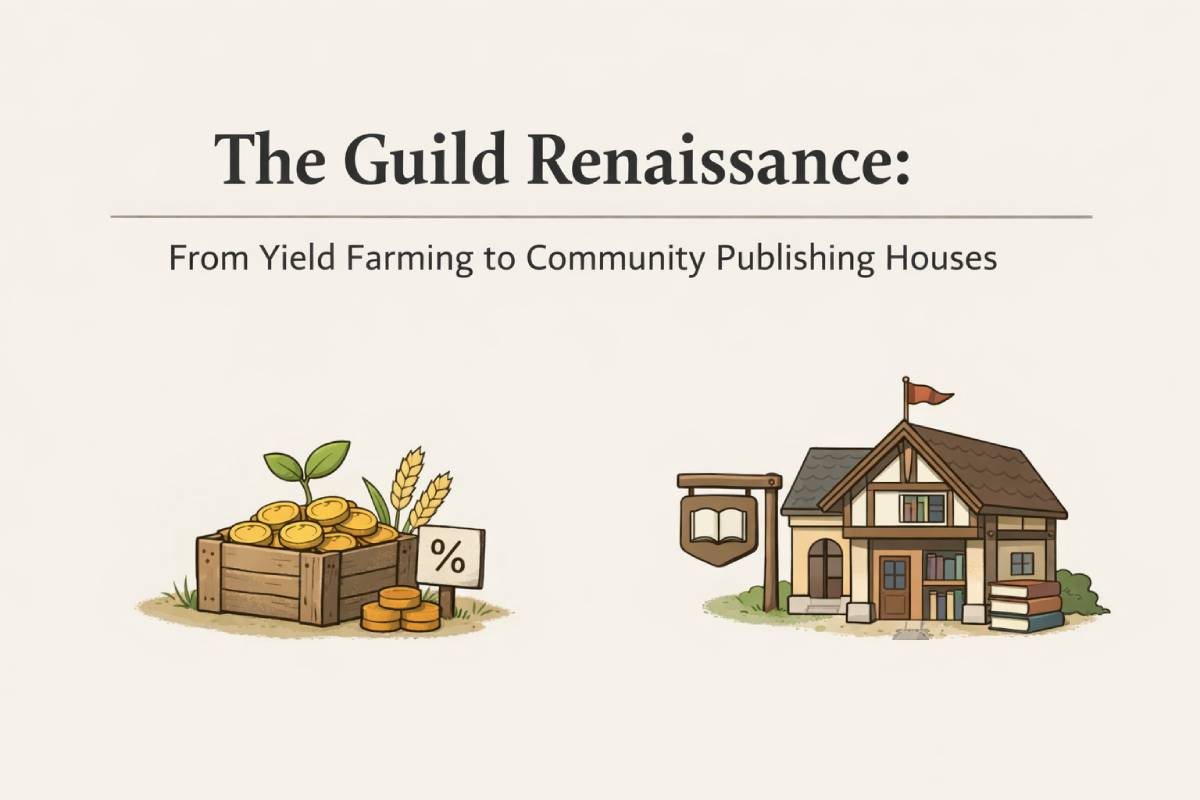
Web3 gaming guilds aren’t just “scholar programs” anymore. In 2025, leading guilds are morphing into publishers, QA labs, localization partners, and distribution networks—with real P&L and shipping schedules. This post maps that shift and gives a playbook to work with modern guilds as co-creators, not just token-incentive routers.

Read more
Community Telemetry: Dashboards that Turn Feedback into Roadmaps
Community

Community Telemetry: Dashboards that Turn Feedback into Roadmaps

November 26, 2025
Orion's Gate Team

If your community is your growth engine, telemetry is the dashboard. In 2025, the best-run web3 games treat community signals-on-chain activity, Discord behavior, quest completions, governance votes, and social reach-as inputs to product. This playbook shows which metrics to track, how to wire them up, and how to convert raw sentiment into shippable roadmap items. Unify data from chain analytics (Dune), Discord, quest platforms, and governance into a single command center [1][6][9][15]. Track four flywheels: Discovery → Activation → Contribution → Governance, each with clear KPIs and action recipes [3][6][10][12]. Publish a decision log that maps metrics → proposals → shipped changes to compound trust and iteration speed [4][5].

Read more
How Web3 Communities Co-Develop the Games They Play
Community

How Web3 Communities Co-Develop the Games They Play

October 21, 2025
Orion's Gate Team

Web3 gaming communities aren't just fandoms on Discord-they're production partners. From token-gated playtests to on-chain votes and player-run guilds, communities now shape mechanics, economies, and even platform strategy. Below is a practical look at how those interactions work and the concrete impact they're having on development in 2024-2025.

Read more
Building Belonging: Community & Culture in Web3 Gaming (with Real-World Examples)
Community

Building Belonging: Community & Culture in Web3 Gaming (with Real-World Examples)

September 10, 2025
Orion's Gate Team

A great Web3 game is more than smart contracts and shiny assets-it's a culture players want to live in. The strongest projects don't outsource community; they design it into the game loop with ownership, voice, rituals, and creator pathways. Below are eight pillars of community-led design, each illustrated with real examples from live Web3 titles and supported by current sources.

Read more
Governance as Gameplay
Community

Governance as Gameplay

July 29, 2025
Orion's Gate Team

Web3 gaming communities are shifting from speculative hype to sustainable, player-owned ecosystems. The sector already generates billions in value, hosts millions of daily players, and keeps fans logged-in longer than traditional titles-all because community is engineered directly into the gameplay loop. Below you'll find the core pillars of that culture, backed by current market data and best-in-class practices.

Read more
Building Digital Tribes: How Community Culture Shapes the Future of Web3 Games
Community

Building Digital Tribes: How Community Culture Shapes the Future of Web3 Games

June 17, 2025
Orion's Gate Team

Web3 gaming has evolved far beyond the early “play-to-earn” craze; today’s player-owned worlds are defined by vibrant, self-organizing communities that shape everything from governance to game lore. In this article we explore ten powerful talking points that illustrate why healthy community culture is the true engine of sustainable Web3 games. Each section highlights positive impacts and practical take-aways you can apply to your own project.

Read more
Community First: Building a Gaming Culture
Community

Community First: Building a Gaming Culture

May 21, 2025
Orion's Gate Team

How we're fostering a positive, engaged community around our games and why it's essential for web3 gaming.

Read more
Page 1 of 6