There was a time when web3 gaming was sold as the next unavoidable revolution in gaming. Tokens, NFTs, DAOs, and “play-to-earn” mechanics were presented not just as features, but as the future of the medium itself. In 2025 and 2026, that language feels much quieter. The hype has cooled, funding has become more selective, and both players and developers are asking a more practical question: what actually works once the buzz is gone?
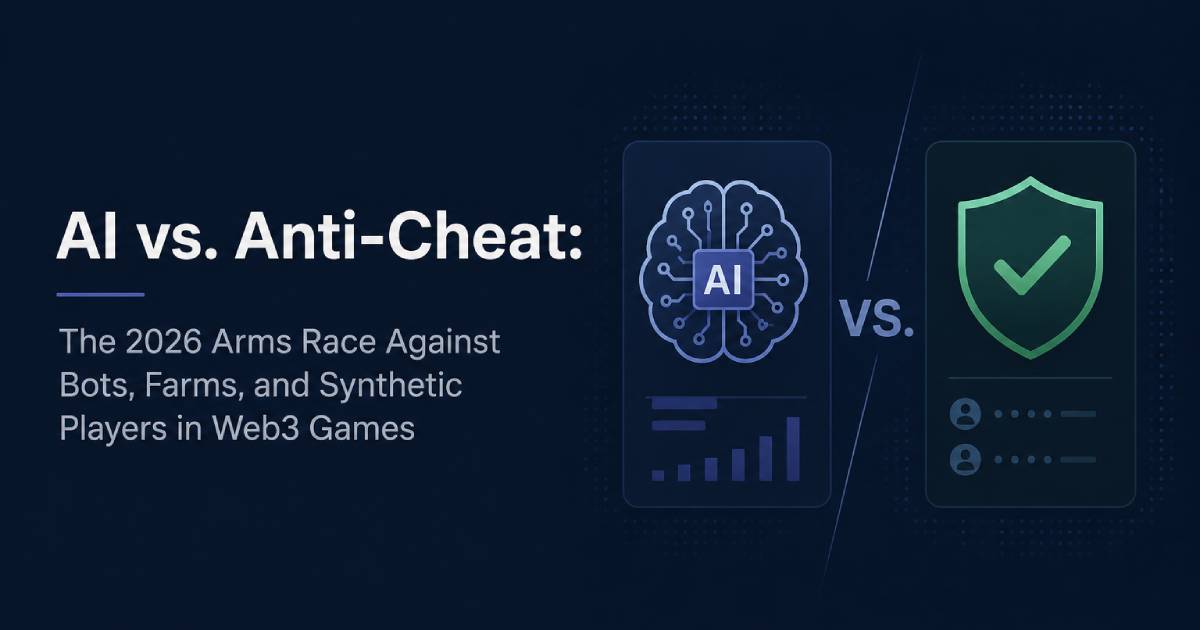
Web3 games didn't invent cheating-but they changed the prize. When items can be traded, tokens can be claimed, and progression can be monetized, every mechanic becomes a target for automation. In 2026, the threat is no longer “a few botters.” It's industrial farms and AI-driven synthetic players built to look human, move like humans, and drain your economy quietly.
The broader internet shows why this is accelerating: Akamai reported AI-driven bot activity surging 300% year-over-year in its State of the Internet research. [1] Thales/Imperva's bot research describes a world where automated traffic has overtaken human traffic and where bot activity increasingly hits applications and APIs, not just front-end pages. [2] If your game exposes any valuable endpoint-login, quests, claims, marketplace actions-assume it will be scripted.
This article maps the threat landscape and provides a practical, studio-ready defense playbook for 2026.
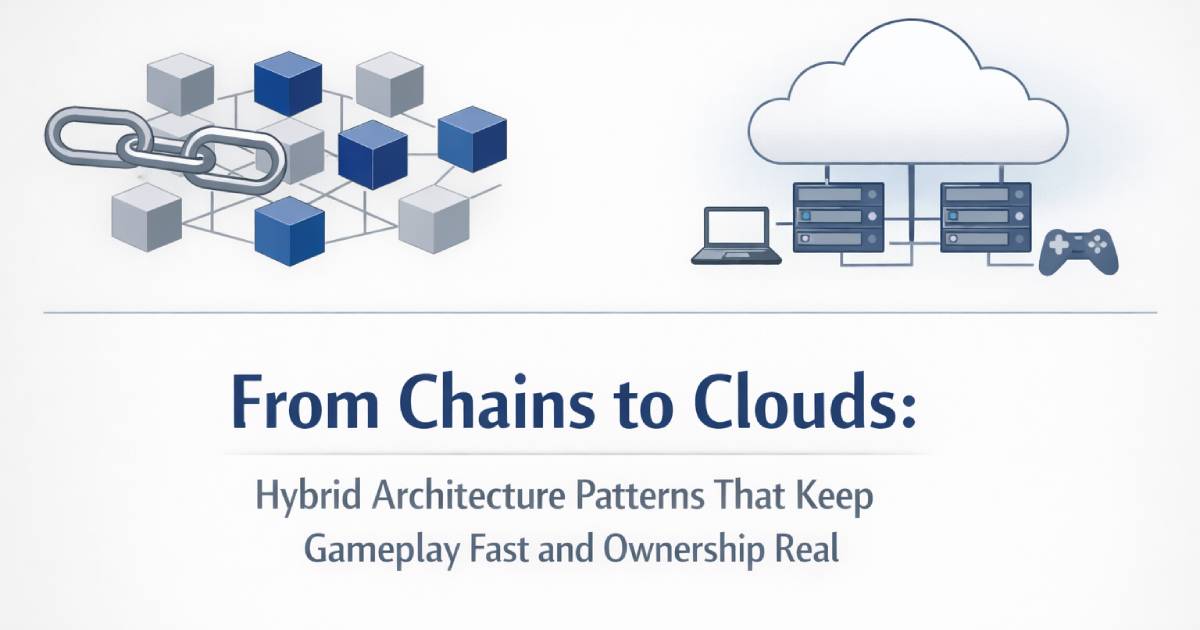
Web2/Web3 hybrid games are becoming the “default serious” approach in 2025-2026: keep the moment-to-moment experience as smooth as a traditional live-service title, while still giving players real ownership, trading, and portability where it matters. The reason is simple: blockchains are great at settlement and proof of ownership, but real-time gameplay needs low latency, high throughput, and anti-cheat controls that are still best delivered with web2-style infrastructure.
This article breaks down practical hybrid architecture patterns you can adopt today-without turning your game into a laggy on-chain experiment.
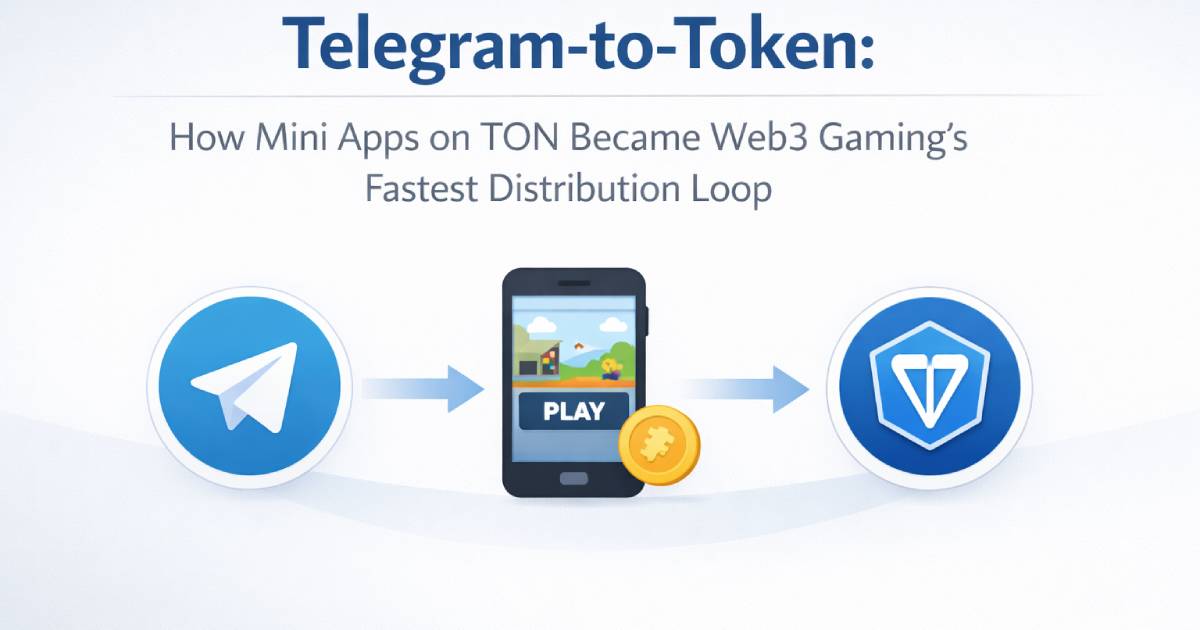
In 2025 and 2026, the most efficient growth engine in Web3 gaming doesn't look like a launcher, a marketplace, or a chain war. It looks like a messenger.
Telegram Mini Apps (web apps that run inside Telegram) let games ship into a social graph where users already spend time, already share links, and already join communities. That “distribution-native” environment-plus TON as Telegram's preferred on-chain rail-created a new playbook: chat → tap-to-play → referral loops → token moment → retention. [1][2][3][4][5]
This article breaks down what actually made the Telegram-to-token loop work, what broke when hype cooled, and how studios can build a version that lasts beyond airdrops.
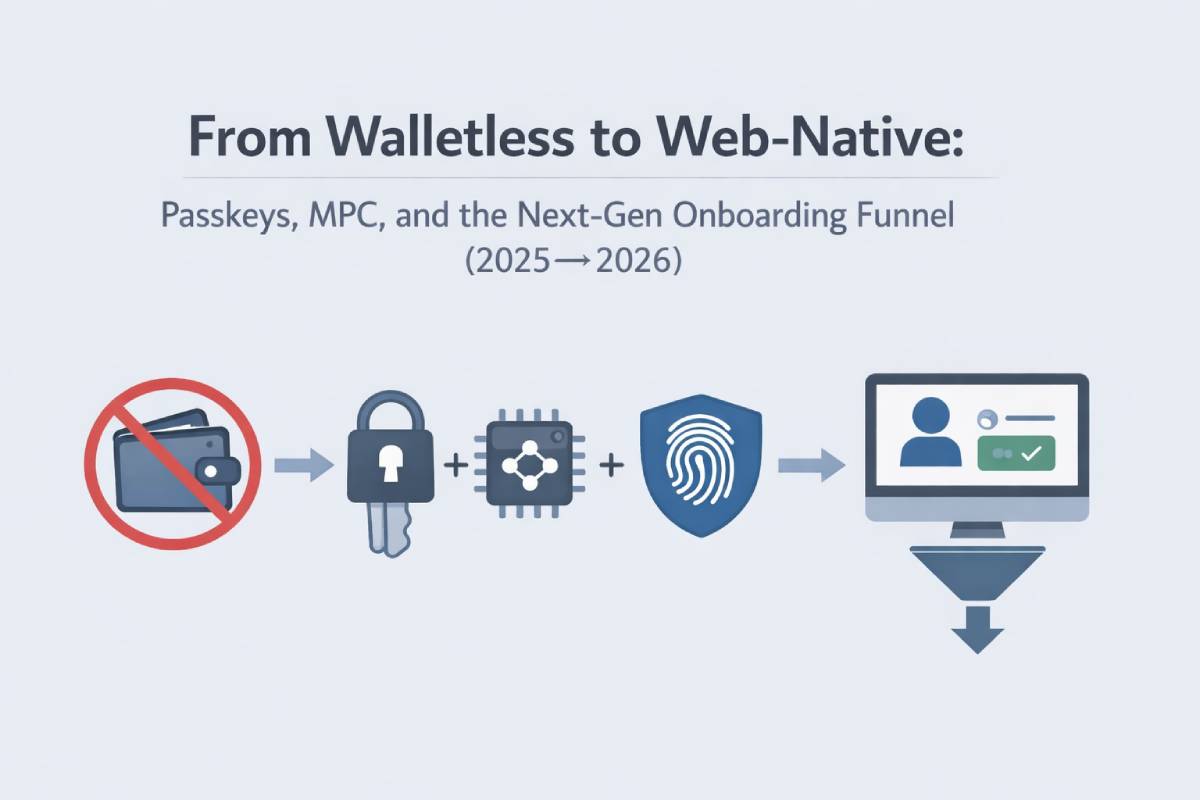
The fastest-growing funnel in web3 ditches seed phrases and browser extensions. Passkeys (WebAuthn/FIDO2) remove password friction, MPC eliminates single-key risk, and account abstraction (ERC-4337) turns sign-ups into sessions that feel web2-fast—complete with gasless actions and session keys for uninterrupted play. Put together, this “web-native” stack lifts conversions from click → install → first on-chain action. [1][2][3][4][5][6][7][8][9]
In 2025, the fastest, cheapest paths to scale for web3 games aren't global-they're regional. If you tailor funnel, payments, and community ops to the realities of Southeast Asia (SEA), Latin America (LATAM), and Middle East & North Africa (MENA), you can turn volatile hype into durable DAU and net on-chain revenue. Think: Android-first installs in SEA, PIX and cash-to-digital bridges in LATAM, and wallet-led funnels with telco and esports tailwinds in MENA. [1][2][3][4][5][6]