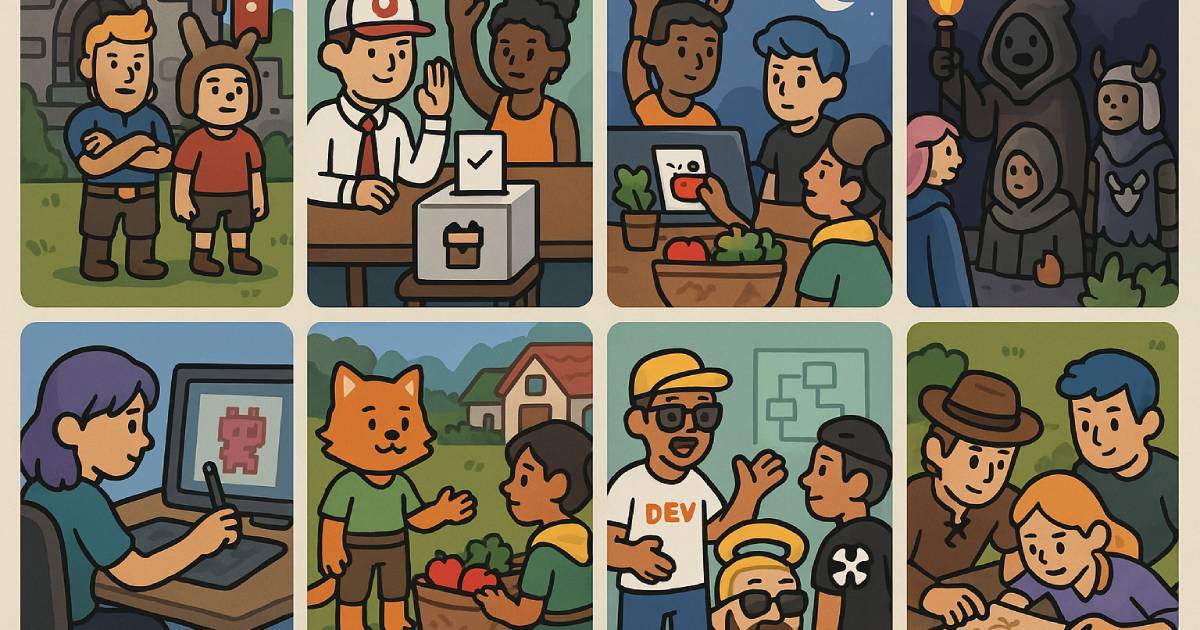
A great Web3 game is more than smart contracts and shiny assets-it's a culture players want to live in. The strongest projects don't outsource community; they design it into the game loop with ownership, voice, rituals, and creator pathways. Below are eight pillars of community-led design, each illustrated with real examples from live Web3 titles and supported by current sources.
From account-abstracted wallets to dynamic NFTs and greener chains, here's how today's tokenized games are pushing real technological progress-and why it matters for players, creators, and studios alike.
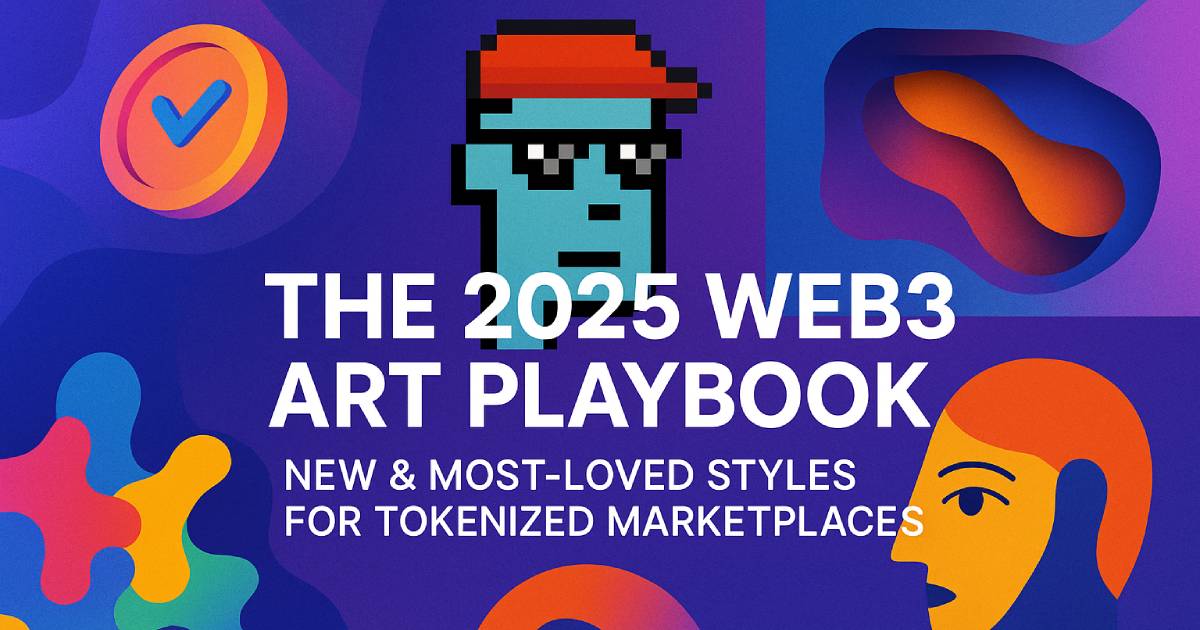
In Web3 game worlds where every skin, tile, and trinket can be minted and traded, art style isn't just a creative choice-it's an economic lever. The way assets look at thumbnail size affects click-through on listings; the way they're built (vector vs. raster, poly count, palette) changes storage, gas, and scalability; and the way they resonate emotionally shapes player demand. Below is a fresh, SEO-friendly guide to the newest and most desired art styles we see thriving in tokenized ecosystems-and why players (and marketplaces) love them. We connect each style to standards and practices that underpin on-chain ownership and creator royalties.
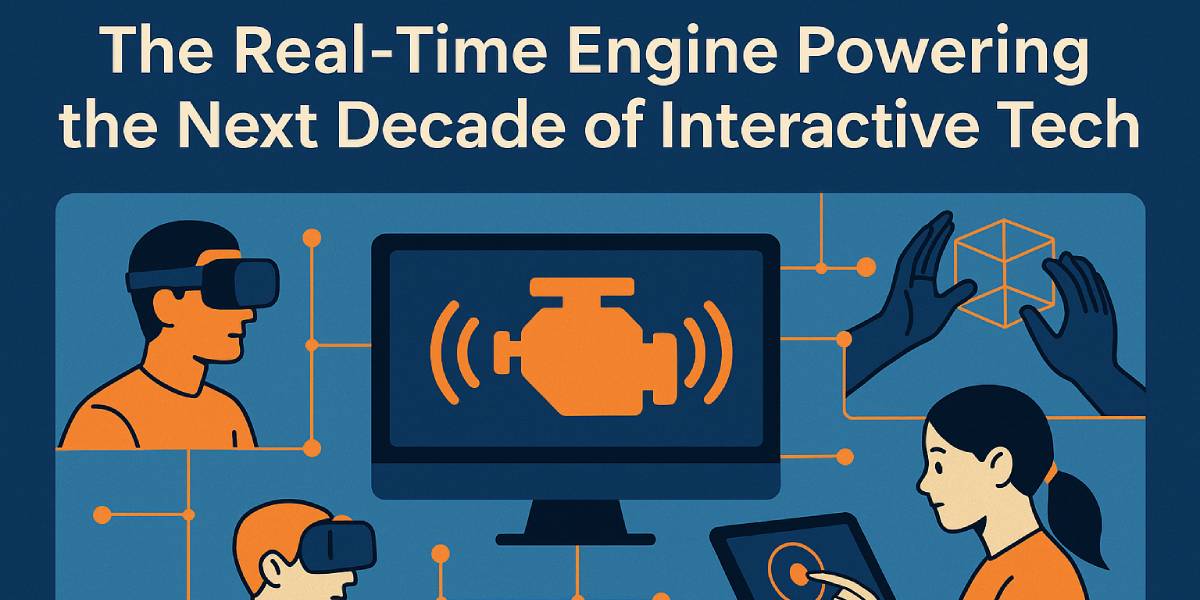
Modern browsers now ship a graphics-and-compute stack that looks a lot like a lightweight game console: WebGPU for low-overhead GPU access, WebAssembly 2.0 for near-native execution, and WASI/WebNN to unlock portable system calls and on-device AI. For studios building games, digital twins, configurators, training sims, and AI-driven experiences, this stack is becoming the fastest, most privacy-respecting way to run rich software anywhere a browser exists. [1][2][3].
Inside our asset pipeline, algorithm-first engineering, and Unity-powered collaboration-and why they put us on track for a fully playable prototype by Q4 2025.
Web3 gaming communities are shifting from speculative hype to sustainable, player-owned ecosystems. The sector already generates billions in value, hosts millions of daily players, and keeps fans logged-in longer than traditional titles-all because community is engineered directly into the gameplay loop. Below you'll find the core pillars of that culture, backed by current market data and best-in-class practices.