Web3 gaming is no longer a buzzword-it's a growth engine touching finance, jobs, and next-gen tech. Below is your 360° look at how token-based game economies with built-in marketplaces are creating measurable upside for players, developers, and the wider global economy.
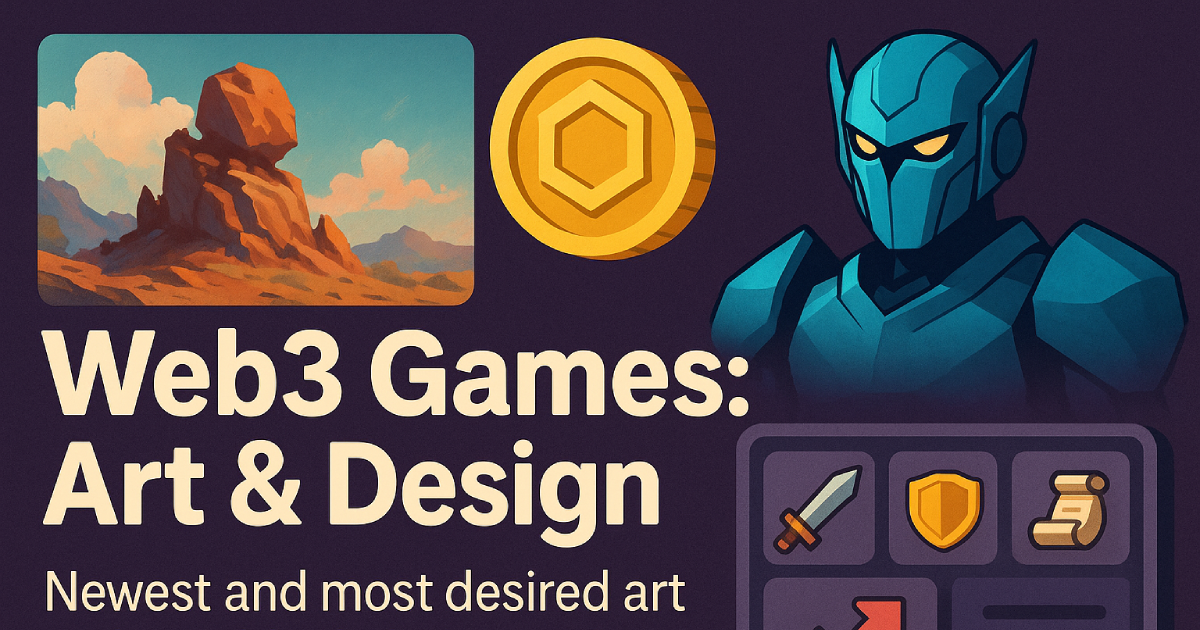
Web3 gamers no longer log in just for “play-to-earn”; they log in because the worlds look irresistible. Over the last 18 months, studios building on-chain economies have embraced a handful of eye-catching styles-each chosen for specific reasons such as nostalgia, performance, gas efficiency, or pure marketplace flair. Below we break down the newest, most-loved aesthetics, why players crave them, and how each style supercharges a tokenized marketplace.
Blockchain’s early headlines were dominated by cryptocurrencies and collectible NFTs, yet the underlying technology has continued to evolve far beyond digital coins and gaming assets. Today, decentralized ledgers are powering new levels of transparency, efficiency, and trust across logistics, health, energy, finance, governance, and creative sectors—often without splashy fanfare. Below you’ll find the most promising, real-life blockchain use cases gaining traction in 2025, each backed by fresh research and field-tested pilots.
[3½ – 4 minutes reading time]
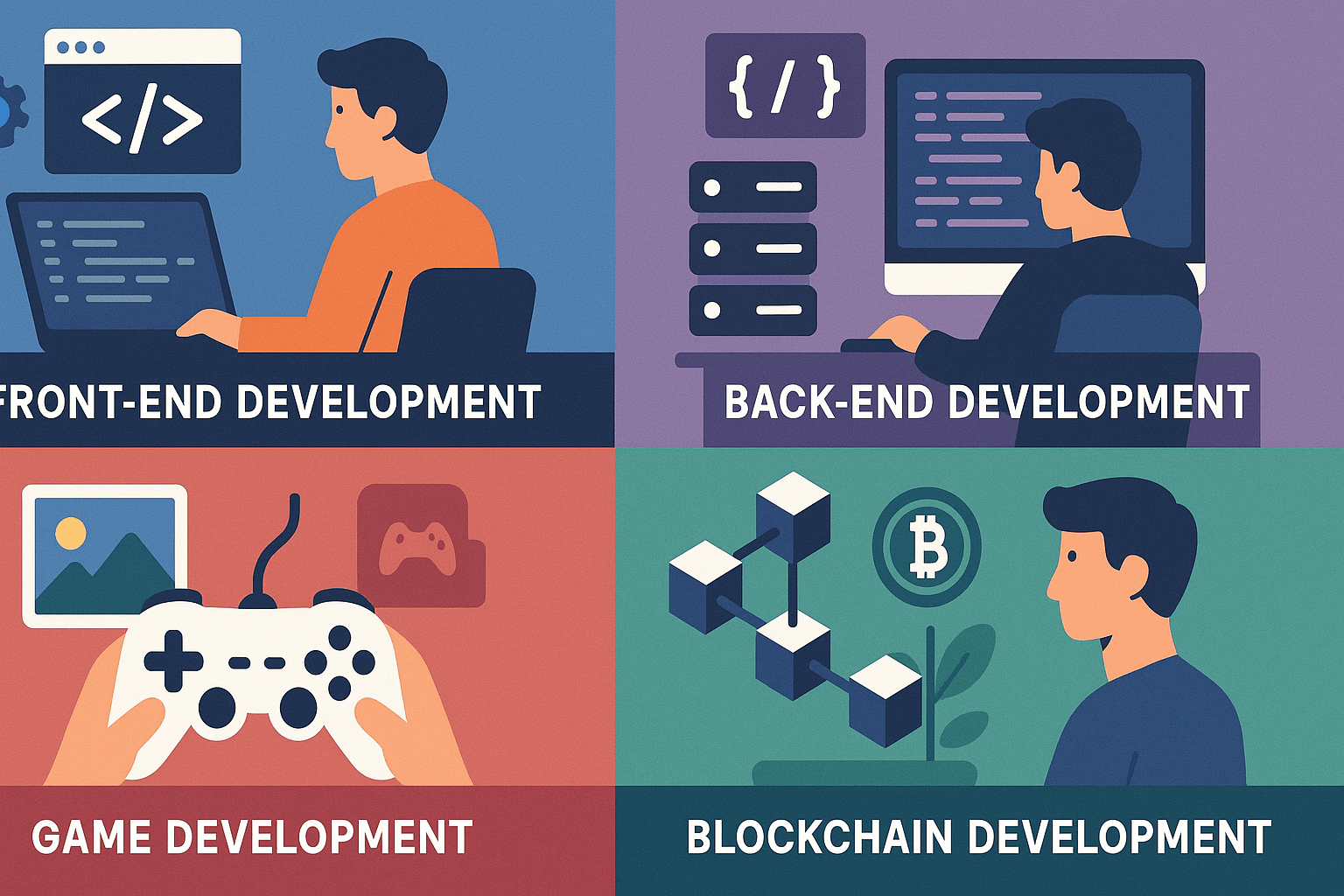
Great games are equal parts art, engineering, and economics. At Orion's Gate Studio we weave these strands together with a carefully curated tech stack that spans front-end design, back-end micro-services and on-chain tokenomics. The result is a pipeline that lets designers iterate rapidly, engineers scale confidently, and players own a real stake in the worlds we build. Below we break down each layer of that pipeline and share the open-source best practices that inspire our approach.
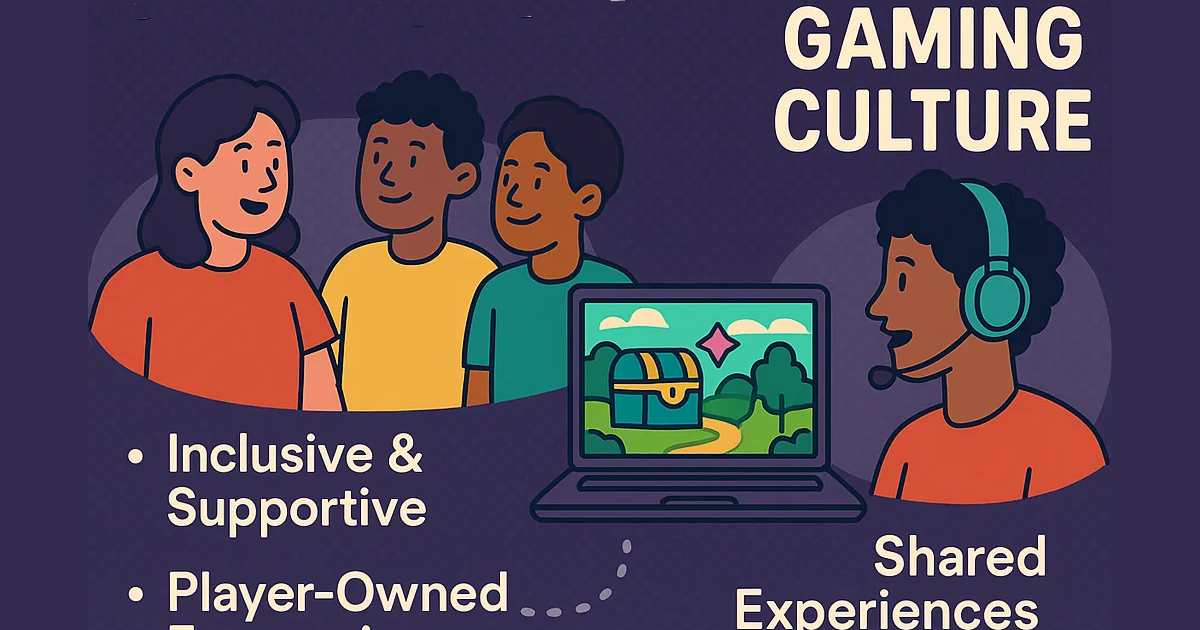
Web3 gaming has evolved far beyond the early “play-to-earn” craze; today’s player-owned worlds are defined by vibrant, self-organizing communities that shape everything from governance to game lore. In this article we explore ten powerful talking points that illustrate why healthy community culture is the true engine of sustainable Web3 games. Each section highlights positive impacts and practical take-aways you can apply to your own project.
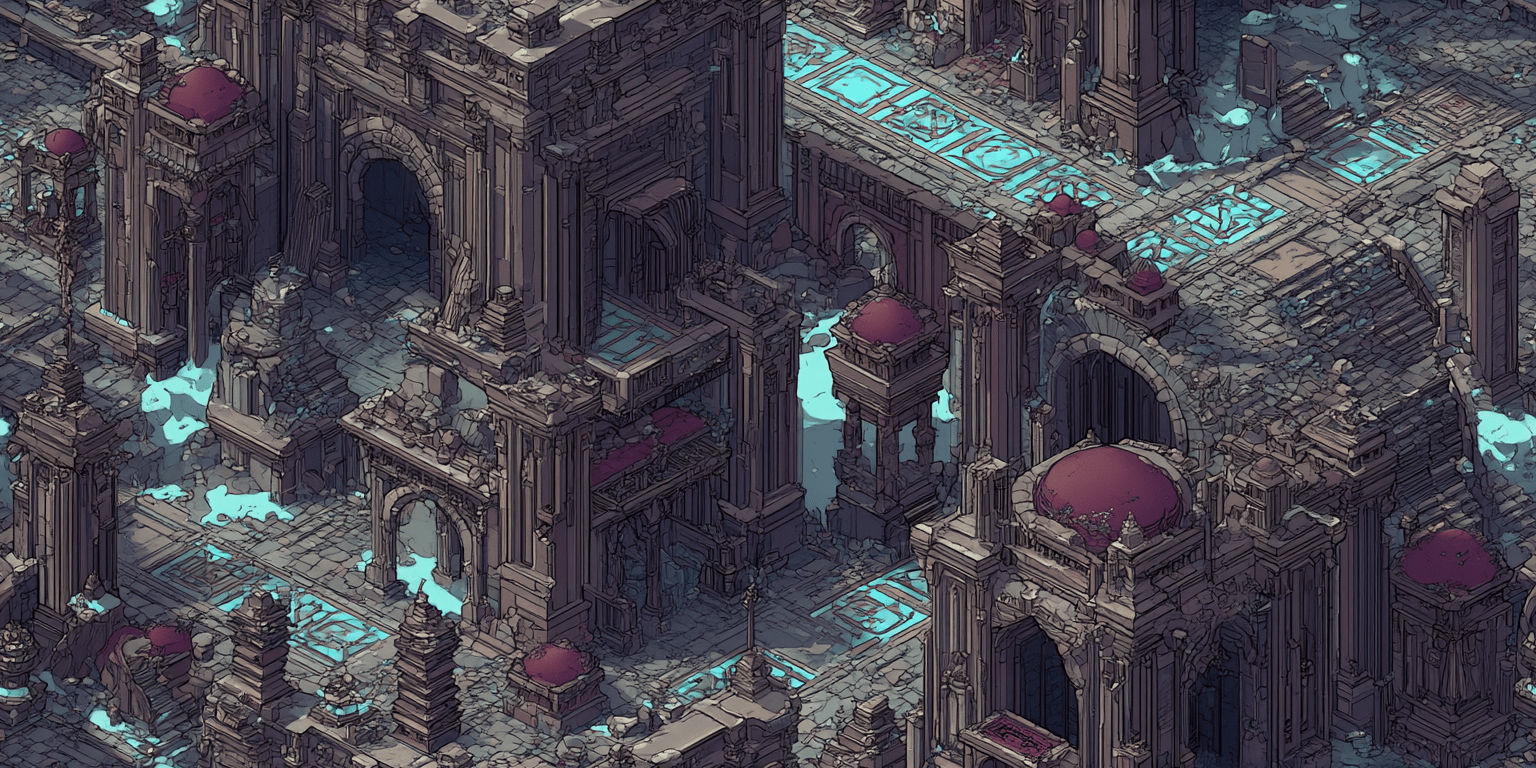
Pixel art isn't just a stylistic nod to gaming's 8-bit past-it's fast becoming the visual backbone of Web3 games that run on their own tokens and player-driven marketplaces. Open-source research shows that the lo-fi aesthetic dovetails perfectly with on-chain storage limits, lowers gas fees, and sparks community creativity, all while delivering the instant nostalgia that keeps players-and collectors-coming back for more.